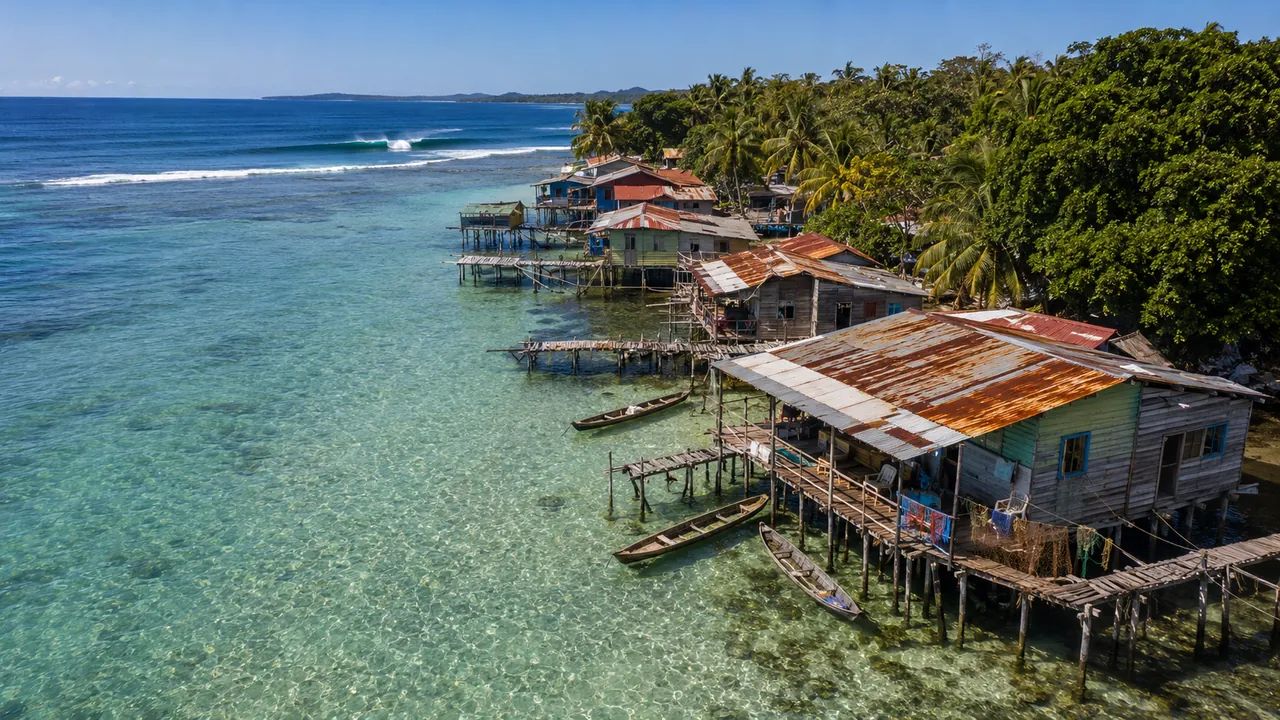
Punta Brava is a left reef on the same headland as the point, taking the same south-south-west swell and the same northerly offshore, and it is at its best around low tide.
Its January figure is identical to the point's, twenty-three clean days out of thirty. That is not a coincidence and it is not confirmation: the two sit a hundred metres apart, so they read one cell of the forecast grid. Which of them is working on a given morning is a question the numbers cannot answer, and the walk between them takes a few minutes.
Urchins and rocks, and a low-tide reef means both matter more here than at the point. Boots, and let somebody show you the channel the first time.
Spot sheet
- Level
- Intermediate, Advanced
- Wave
- Left
- Bottom
- Reef
- Swell window
- S – SW
- Ideal wind
- N
- Best tide
- low tide
- How often it works
- Very consistent
- Crowd
- ●●●●○
- Danger
- ●●●○○, Sea urchins, Rocks
Swell window, tide, level and hazards: surf-forecast and Surf Atlas.
A month in figures
In January, the month the forecast guides single out for this coast:
Shares of the month, from the published forecast statistics. The model reads a grid, so neighbouring breaks share a figure: this describes a stretch of coast, not this wave on its own. The other eleven months are not published.