Playa Venao
Twenty-six clean days out of thirty in December, on a sandbar anybody can surf.
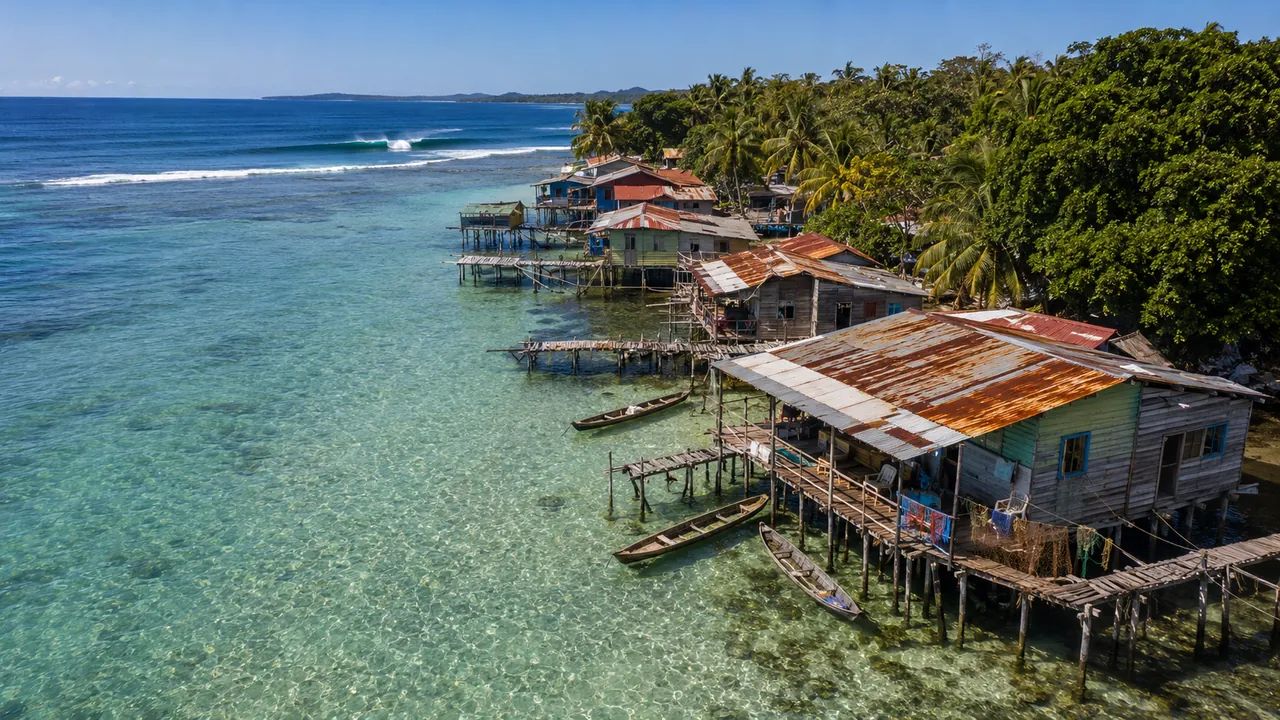
Two oceans a few hours apart, so there is almost always swell on one side of the country.
Discover every surf region, the spots, surf camps and advice to plan your perfect surf trip.
Panama has two oceans a few hours apart, which means there is almost always swell somewhere.
The Pacific works mainly April to October, on southern swell. The Caribbean takes over from December to March, when northern depressions push towards Bocas del Toro. That alternation is the country's central argument: it makes the season near-continuous for anyone willing to cross.
Bocas del Toro has become the reference point, as much for its reefs as for how easy it is to stay there. On the Pacific side, Santa Catalina offers a long, serious right, and the Las Perlas archipelago stays quiet.
The water is warm everywhere, all year, which reduces the kit to a minimum.
The country remains less organised for surfing than Costa Rica, with longer transfers and a more scattered offer. That also explains quieter line-ups at comparable quality.
Who it suits: the self-sufficient intermediate, and the traveller who wants to surf two seas in one trip. Beginners will do well at Bocas, on the sheltered beaches.
Twenty-six clean days out of thirty in December, on a sandbar anybody can surf.
A very consistent point and the left reef beside it, at the end of a long road.