Imsouane
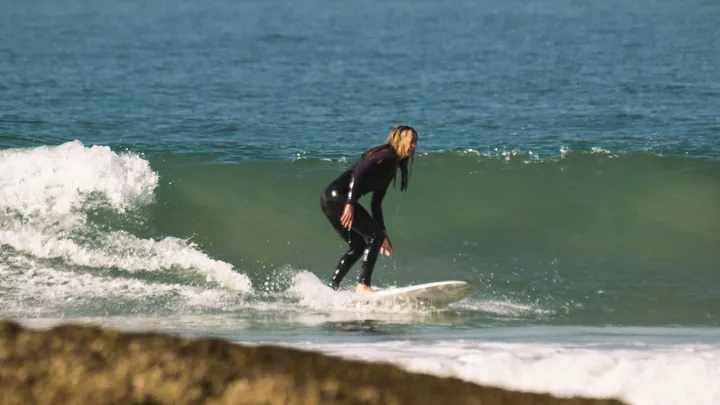
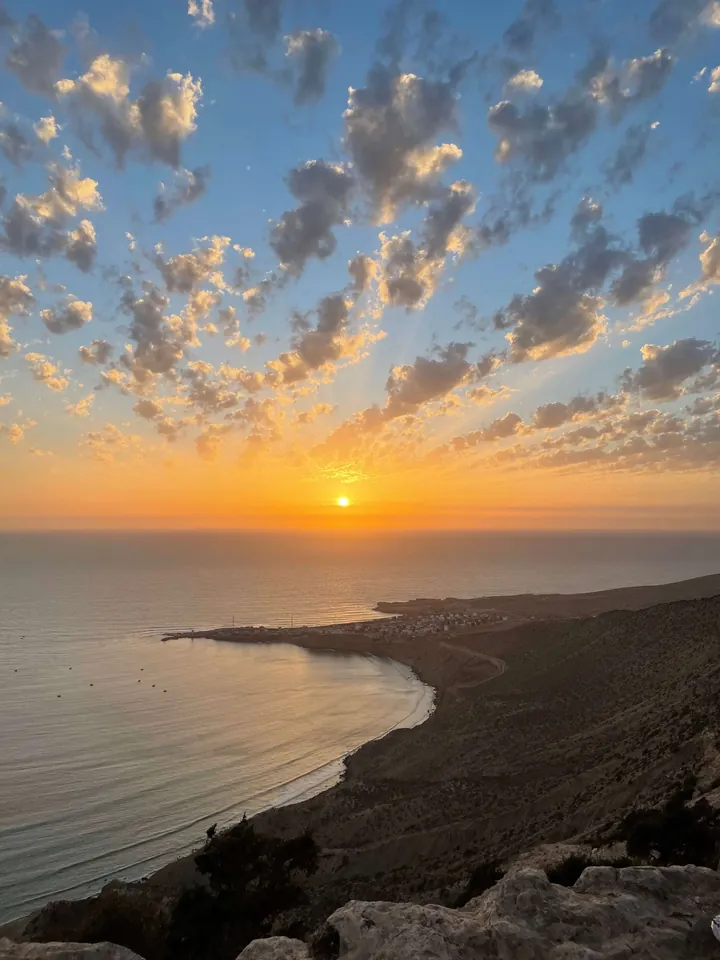
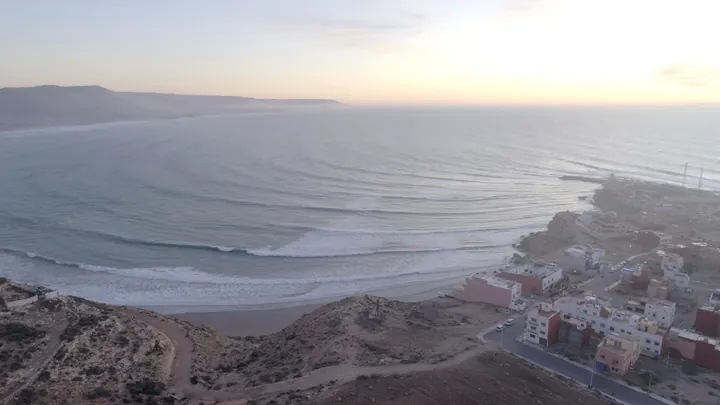
The magic bay and its perfect long lefts: one of the longest rides in Africa.
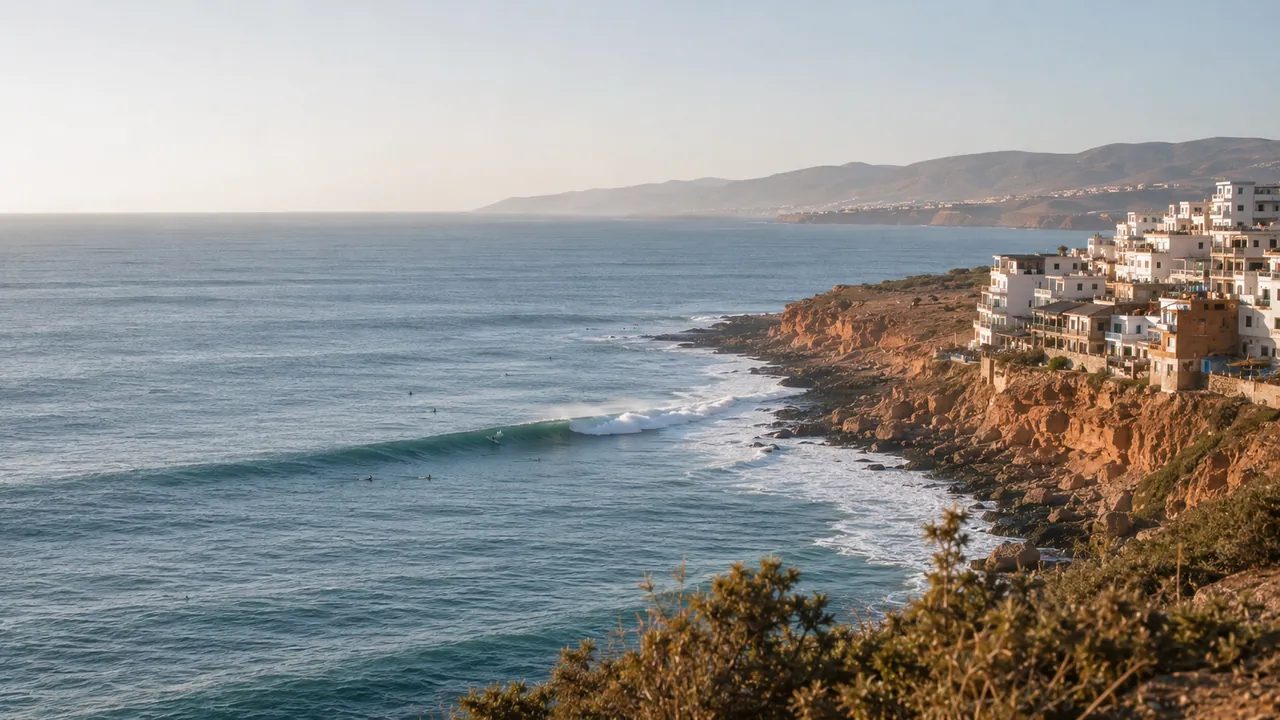
From the perfect rights of Taghazout to the long lefts of Imsouane, Morocco offers surf all year round and an experience unlike anywhere else.
Discover every surf region, the spots, surf camps and advice to plan your perfect surf trip.
Morocco is the most accessible surf destination from Europe, and the only one offering a full winter season three hours from the gate.
The Atlantic coast, from Agadir to Essaouira, lines up points that peel right when north-west swell arrives. Taghazout is the centre of gravity, with Anchor Point as the reference, but the region holds enough breaks that your level and the tide decide where to go rather than the crowd.
The season runs from October to March. That is when North Atlantic depressions track far enough south, and also when the water stays bearable in a shorty or a 3/2 depending on the day. Summer is small, warm, and suits learning.
What sets Morocco apart is the ratio between wave quality and the cost of the trip. Accommodation, food and lessons stay markedly cheaper than in Europe, for conditions Europe cannot offer in January.
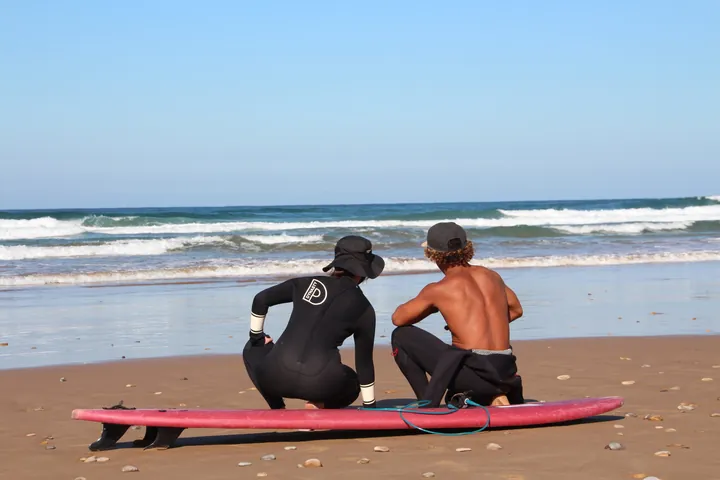
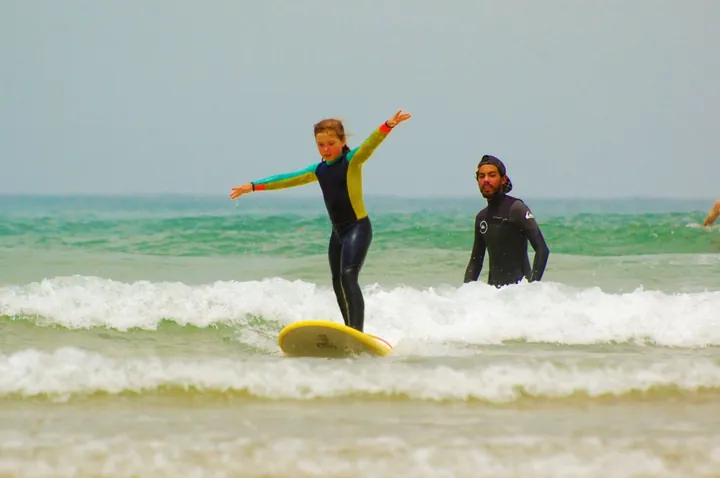
Who it suits: intermediates above all, because points reward anyone who can already hold a line. Beginners find learning beaches around Tamraght and Taghazout, taught all year round.
For each village, how many days of a week bring a rideable swell with a wind that does not chop it up, at the break named. Each month opens its own page.
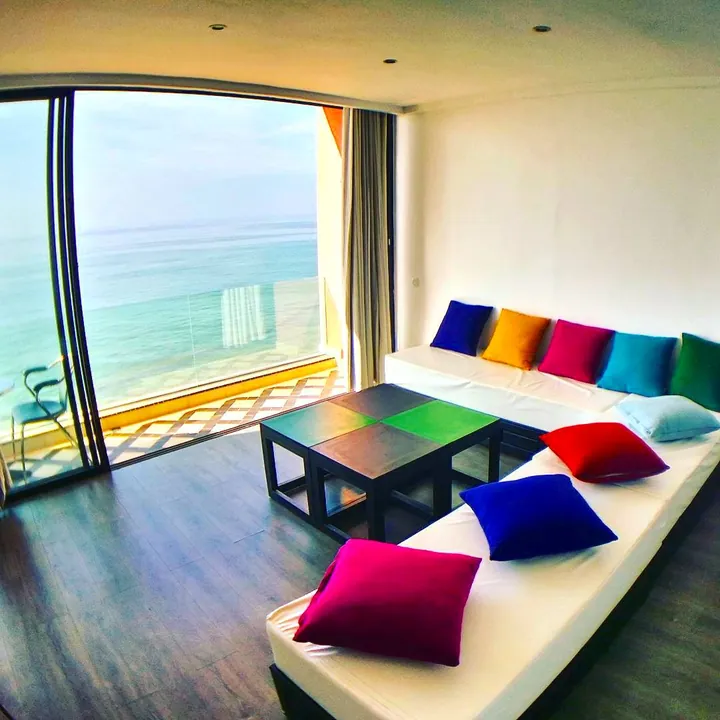

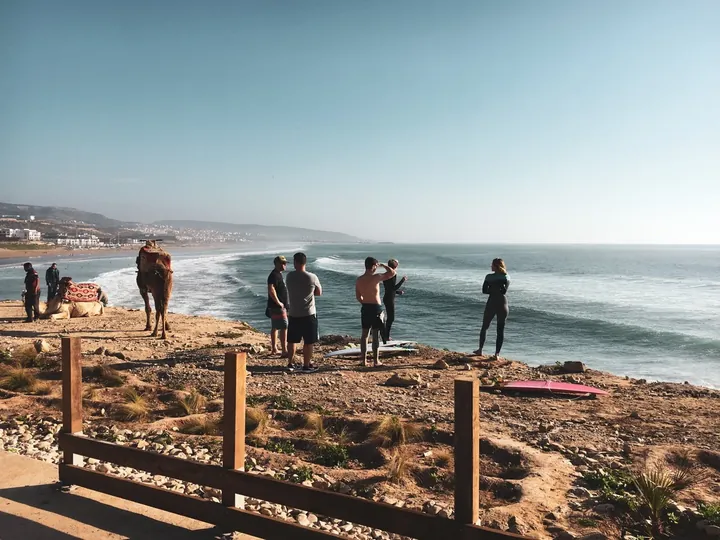
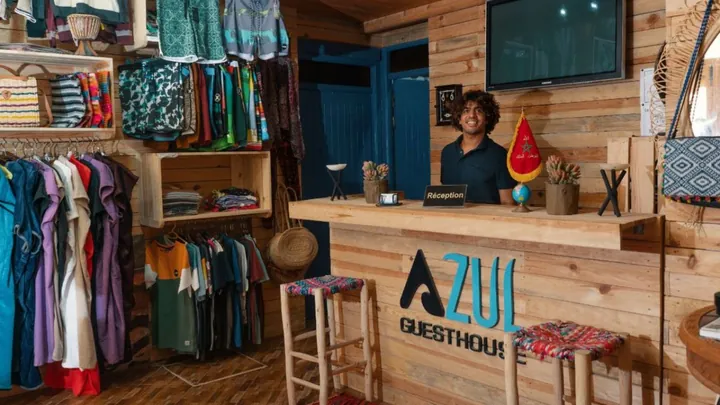
| January | February | March | April | May | June | July | August | September | October | November | December | |
|---|---|---|---|---|---|---|---|---|---|---|---|---|
| Imsouane | January : Excellent | February : Excellent | March : Very good | April : Very good | May : Good | June : Very good | July : Good | August : Good | September : Very good | October : Very good | November : Excellent | December : Excellent |
| Taghazout | January : Excellent | February : Excellent | March : Very good | April : Very good | May : Good | June : Off season | July : Off season | August : Off season | September : Good | October : Very good | November : Excellent | December : Excellent |
| Tamraght | January : Very good | February : Very good | March : Very good | April : Very good | May : Very good | June : Very good | July : Good | August : Good | September : Very good | October : Very good | November : Very good | December : Very good |
Most European, British, North American and Australian passport holders enter visa-free for a tourist stay of up to 90 days. Entry rules change without much notice, so confirm with a Moroccan consulate before you book anything non-refundable.
Atlantic groundswell is most consistent from autumn through spring. Summer still surfs, with smaller waves that suit beginners better than they suit anyone chasing size. The month-by-month breakdown is in the when-to-go guide.
In the right spot, yes. The sand-bottomed bays around Taghazout and Imsouane are forgiving and have schools on the beach. The point breaks that made the country famous are not places to learn, and a camp that puts a first-timer on one is the wrong camp.
Between 40 and 70 EUR a day on the ground, covering a bed, food and a surf. Flights are on top and drive the total more than anything you will spend once you arrive.
Yes. The water runs 16 to 22 C depending on the season: a 3/2 covers most of the year, and a shorty is enough at the warmest. Camps rent both, so this is not a reason to pay excess baggage.